October 13, 2026
First pass vs second pass debris removal: what each one catches
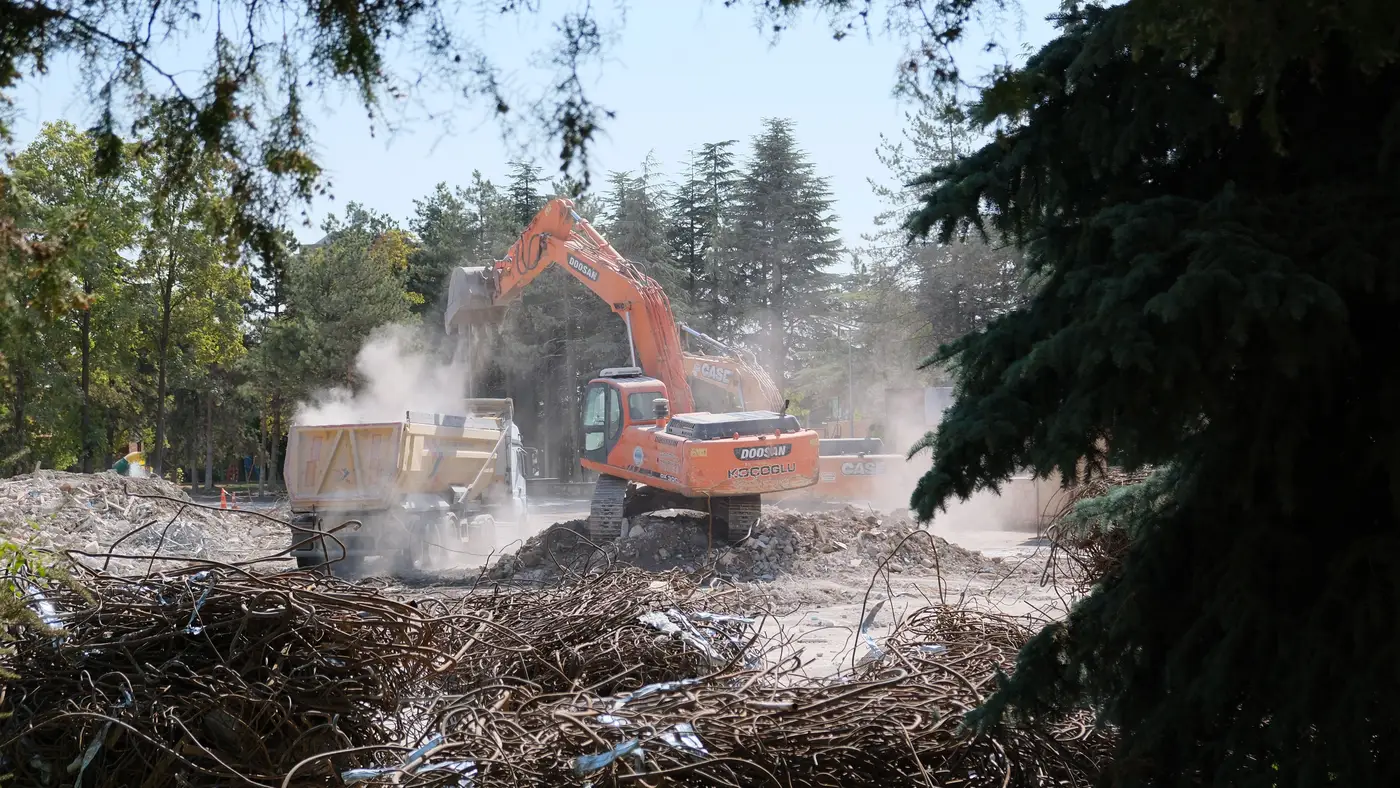
Every county that's run a storm cleanup contract knows the two-pass system by heart, even if the contractor's proposal never spells it out in plain English. First pass and second pass aren't arbitrary labels. They describe two different jobs with two different standards for what counts as eligible debris.
What the first pass is supposed to catch
The first pass is the triage run. Crews move fast, working main roads and emergency routes first, then secondary roads, picking up the obvious stuff: downed limbs and trunks in the right-of-way, storm-snapped power poles, roof sections, fencing, anything blocking a lane or sitting where a vehicle or first responder needs to pass. The goal is access, not thoroughness. A loader operator on first pass is clearing enough to get traffic moving and get other response crews where they need to go. Branch-by-branch work along a ditch line comes later.
This is also where most of the volume gets hauled. If a county is sizing a contract off a windshield survey done two days after landfall, that survey is almost always describing first-pass conditions: debris still piled where the storm left it, before any grinding or hauling has thinned it out.
What the second pass is supposed to catch
Second pass is the cleanup-behind-the-cleanup. It picks up what first pass missed or couldn't legally touch yet: debris that was out of reach of the initial equipment, material that fell or shifted after the first run came through, hazard trees that needed a certified arborist to assess before removal, and household or vegetative debris that residents pulled to the curb after the first trucks had already passed their street. It also catches the stuff that gets flagged during monitoring, where a load doesn't meet eligibility criteria on the first look and has to be re-documented or re-collected.
Second pass typically moves slower and covers less total volume than first pass, but it's where disputes over eligible versus ineligible debris tend to concentrate, because the monitoring firm is now looking at individual piles instead of waving trucks through on volume.
When a county actually calls for a second pass
A second pass gets ordered when a few things line up. Residents are still reporting curbside piles well after the main sweep finished, usually because debris removal from private property lagged behind roadway clearing. Hazard tree assessments come back after the fact, once arborists have worked through the backlog, and those trees need separate removal. Or a follow-up inspection, often the county's own staff doing a windshield check two to three weeks out, turns up material the first pass simply didn't reach, commonly on rural routes or lower-priority roads that got deprioritized the first time through.
The decision usually comes down to a volume estimate. Small leftover volume gets folded into routine maintenance and handled by in-house crews on the normal schedule. Enough volume to justify remobilizing a full contractor crew gets a second-pass work order, and that's a separate cost line that has to be justified against current conditions on the ground, since the initial damage assessment is already weeks stale by the time anyone's asking.
Why the sizing problem shows up here
The trouble is that most second-pass decisions get made off whatever information is already on hand: a contractor's field report, a resident complaint log, maybe a staff member's drive-through. None of that tells you, countywide, where debris actually remains versus where it's already been cleared. You end up either remobilizing crews to areas that are already clean or missing pockets that genuinely need another run.
Debris Mapping reads VHR satellite or aerial imagery taken after the storm and flags where destroyed structures and debris fields still sit, giving a logistics team a current picture to size the second-pass scope against instead of relying on a days-old windshield count.
If your county is trying to figure out whether this storm needs a second pass, and how big that pass needs to be, it's worth seeing what the imagery shows before the trucks roll again.