Blog
Nov 16, 2026
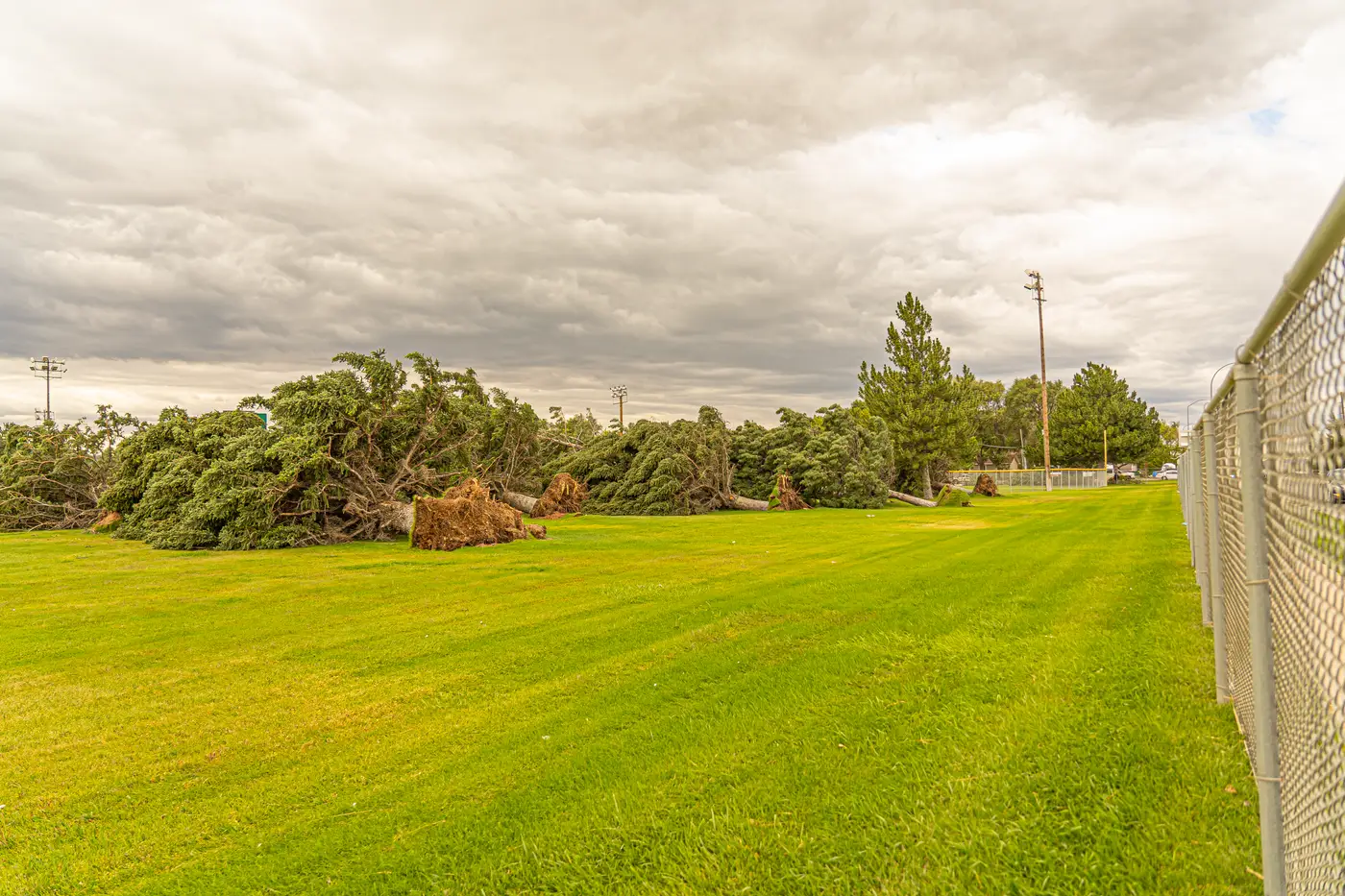 Field notes: the subdivision where every pine came down the same direction
A storm-damage field note on uniform tree-fall patterns in a loblolly subdivision, and what that tells a debris contract before the trucks roll.
Nov 16, 2026
 Debris multipliers: where FEMA's standard ratios break down
What a debris multiplier is, how FEMA's per capita ratios work, and which storm types push the standard debris estimating model off the mark.
Nov 9, 2026
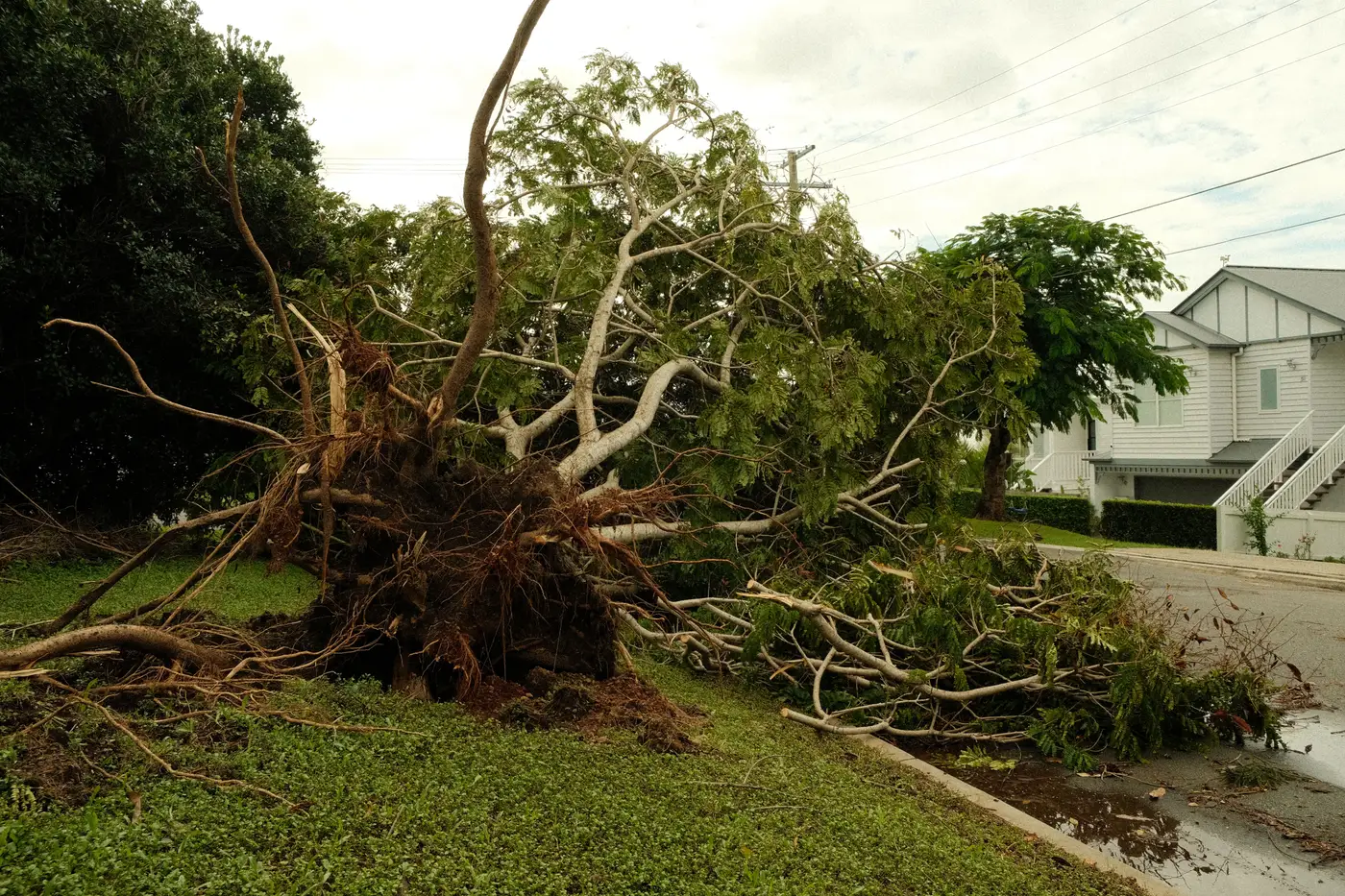 How to write a debris removal scope of work for a county RFP
How to structure the debris categories, quantities, and monitoring sections of a county debris removal RFP scope of work.
Nov 9, 2026
 What is a pre-positioned debris removal contract, and why sign one before storm season
What a pre-positioned debris removal contract covers, why counties sign them before storm season, and what still has to happen after the storm hits.
Nov 2, 2026
Field notes: the week we sized a contract off a map that was already three days oldA logistics officer's field notes on sizing a debris contract from a three-day-old windshield survey, and what that lag costs.
Nov 2, 2026
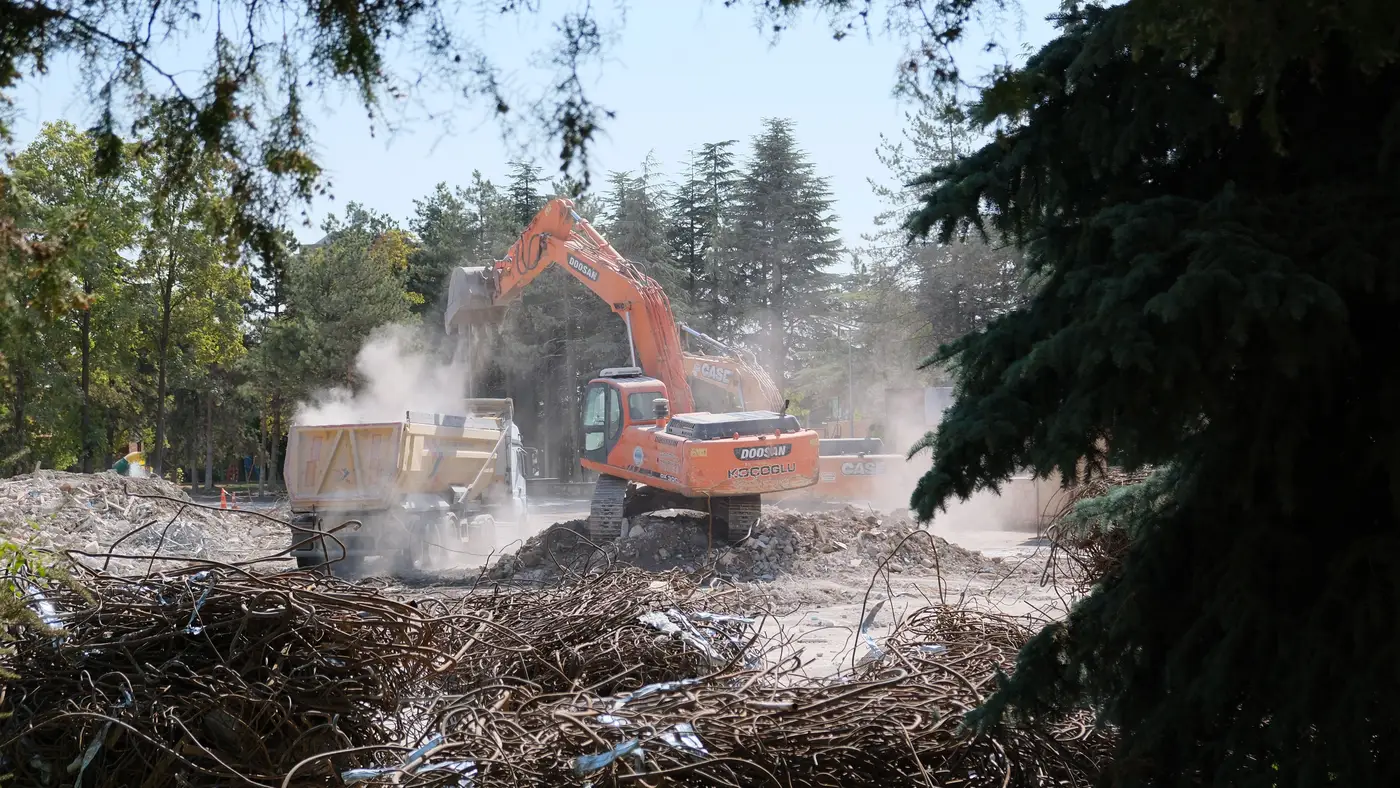 Force account labor vs. contracted debris removal after a windstorm
Force account labor or a debris removal contract: how FEMA PA rules and storm scale decide which one fits your windstorm clean-up.
Oct 26, 2026
 Pricing hangers vs. leaners: estimating hazardous tree removal costs after a windstorm
How to scope hazardous tree, leaner, and hanging limb removal as its own line item before your debris contract goes out.
Oct 26, 2026
Debris reduction site vs. debris management site, explainedDMS vs. debris reduction site: what FEMA means by each term and why the distinction changes how you scope your clean-up contract.
Oct 19, 2026
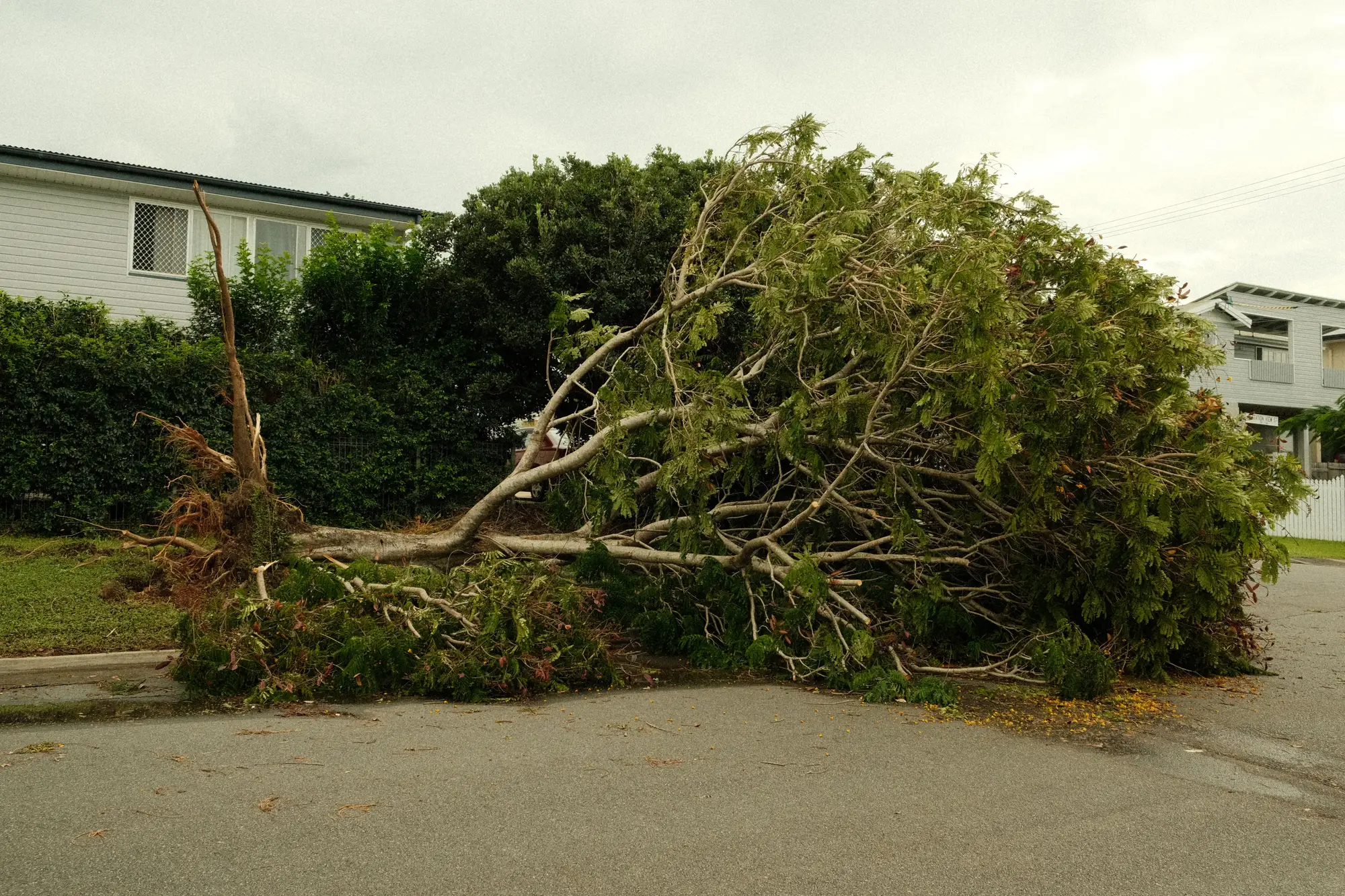 Field notes: the day the imagery beat the windshield survey into our inbox
A field-notes look at why debris imagery sometimes reaches the EOC before the windshield survey does, and what that means for sizing clean-up contracts.
Oct 19, 2026
How to estimate truck and crew count from a post-storm debris mapHow to turn pile counts and acreage from a post-storm debris map into a truck count and crew size for your clean-up contract.
Oct 14, 2026
How to estimate truck count for a county-wide storm debris haulA working method for sizing your hauler fleet after a windstorm, before the windshield survey crews finish their loop.
Oct 14, 2026
What a load ticket proves, and why monitors still check it against the mapA load ticket shows volume and location at the curb. Here's why debris monitors still reconcile it against the mapped debris field before paying.
Oct 13, 2026
First pass vs second pass debris removal: what each one catchesWhat first pass and second pass debris removal each catch, and the signs that tell a county it's time to call for a second pass.
Oct 13, 2026
ROW debris vs. private property debris: what FEMA will reimburseA plain breakdown of ROW debris eligibility vs. private property debris removal under FEMA PA, and why logistics officers split contracts by the two.
Oct 7, 2026
Classifying storm debris for a clean-up bid: vegetative, C&D, and white goodsHow to sort storm debris into vegetative, C&D, and white goods categories before pricing a clean-up contract, and why the split matters for the bid.
Oct 7, 2026
How to estimate debris volume for a FEMA public assistance clean-up contractA practical look at sizing a FEMA PA debris estimate in cubic yards, where windshield surveys fall short, and how to cross-check before you sign.
Oct 7, 2026
Unit price vs. time-and-materials: picking a debris removal contract typeA plain look at unit price and T&M debris removal contracts, where each one fits, and why the estimate behind the bid matters as much as the rate.
Oct 7, 2026
What is a debris management site, and how many does a county need?A plain explanation of DMS/TDSR sites and how to size the number your county needs after a windstorm, instead of guessing.