November 2, 2026
Force account labor vs. contracted debris removal after a windstorm
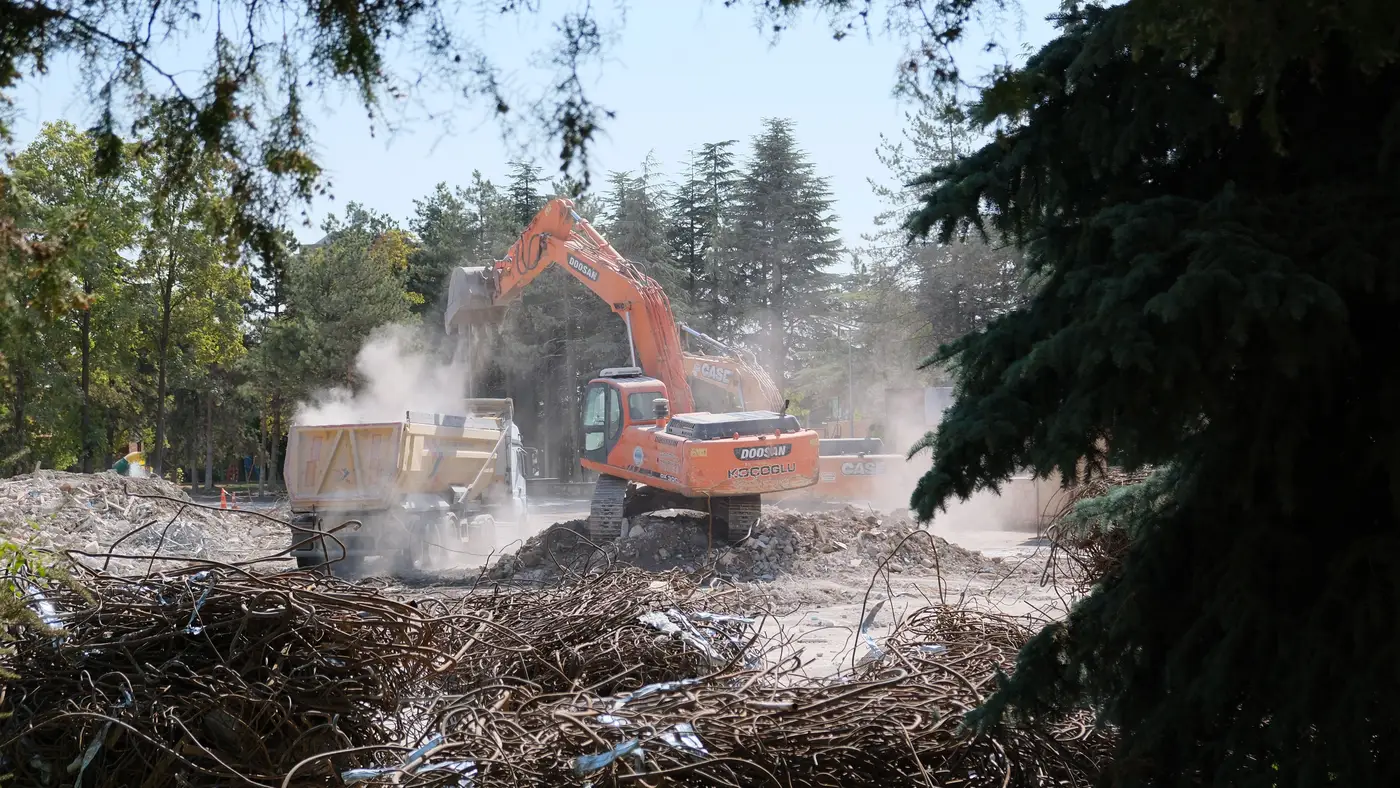
After a windstorm takes down a county's worth of trees and roofing, the first real decision isn't which contractor to call. It's whether you need one at all. Force account labor and contracted debris removal both get the debris off the right-of-way, but they pull from different budgets, different staffing, and different FEMA Public Assistance paperwork. Mixing them up, or defaulting to one out of habit, costs money either in idle crews or in contractor invoices you didn't need to sign.
What force account actually means
Force account is your own payroll and your own equipment doing the work: public works crews running chippers, parks department operators on a loader, mutual aid personnel from the next county over if you've got an agreement in place. Under FEMA PA, force account labor on emergency debris removal (Category A) is eligible for both straight time and overtime, which is a real difference from permanent work categories where only the overtime portion counts. Equipment gets reimbursed off FEMA's published equipment rates, not your actual fuel and maintenance cost, so track hours carefully.
Contracted debris removal is a private company doing the hauling, usually paid by the cubic yard, sometimes with a separate rate for hazardous limb removal or stump grinding. You bring them in under an existing pre-positioned contract, a cooperative purchasing agreement, or an emergency procurement if your local code allows it. Either way, a monitor has to be on-site logging truck loads, because FEMA won't reimburse cubic yardage nobody measured.
Deciding which one fits your storm
Small, scattered events where the debris is mostly yard waste and a handful of downed limbs along residential streets are usually a force account job. Your crews know the routes, the equipment is already fueled, and you avoid the lead time of standing up a contract for a workload that'll be cleared in a week.
Large-footprint windstorms change the math fast. If debris is down across hundreds of route-miles, if structures are destroyed and not just damaged, or if the cleanup is going to run past what your crews can sustain on overtime without burning out, that's a contract job. Contractors bring grapple trucks, self-loaders, and crews that don't have a day job to get back to. They also scale down when the work tapers off, which your own payroll can't.
The in-between cases are where officers get stuck: a moderate event where force account could technically handle it, but only by running every public works employee on overtime for three weeks straight. Run that math against a contract rate before you commit. FEMA reimburses force account overtime, but it doesn't reimburse the overtime your water and sewer crews should have been working instead.
A few other things that tip the decision:
Debris type matters. Vegetative debris and a straightforward chip-and-haul operation is well within most force account capability. Debris from collapsed structures, mixed with hazardous materials or requiring demolition, usually needs contractor expertise and equipment your fleet doesn't have.
Monitoring capacity matters just as much as hauling capacity. A contract without someone counting loads is a contract you can't get reimbursed for. If you don't have staff to spare for load tickets, factor that into whichever path you pick.
Documentation discipline runs both directions, and each path has its own paper trail. Force account needs time sheets, equipment logs, and daily activity records that hold up to a FEMA audit two years later. Contracted work needs load tickets, truck certifications, and a procurement file showing the rules were followed at every step of the award and the haul.
Sizing the decision before you make it
None of this is useful without a real number for how much debris is down and where. A windshield survey the morning after a storm gives you a rough sense of the worst streets, but it's slow, it misses debris behind tree lines and in yards, and it's already out of date by the time your team finishes driving the county. What makes the force-account-versus-contract call defensible is a structure-by-structure read of the damage before the first crew or the first contractor rolls, which is the gap Debris Mapping was built to close using post-storm satellite imagery instead of a drive-by count.
If you're sizing a clean-up contract this week, start with a map of what's down, not a guess from the truck window.