October 26, 2026
Pricing hangers vs. leaners: estimating hazardous tree removal costs after a windstorm
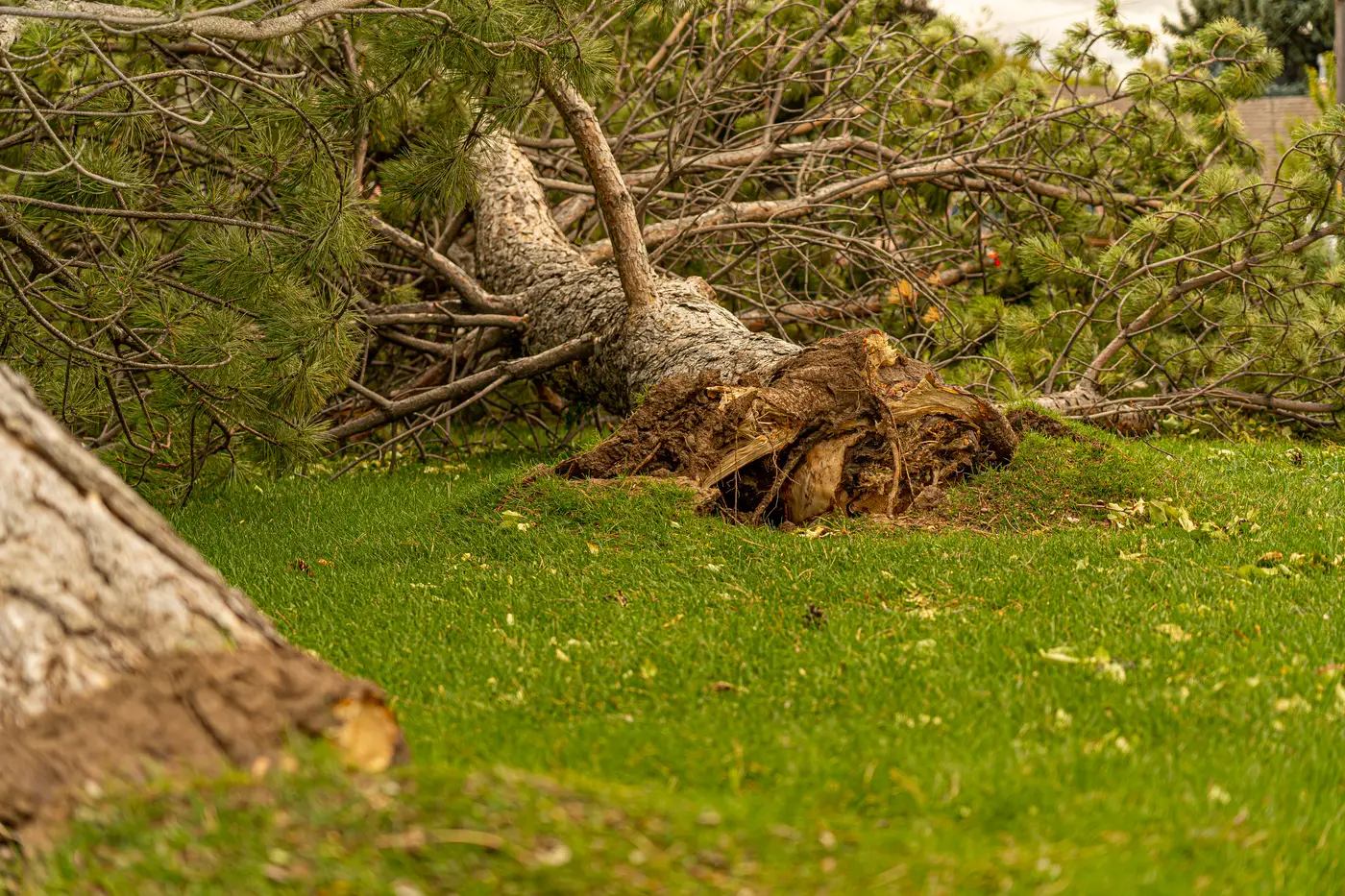
Hazardous tree work almost always gets lumped into the general debris estimate, and that's usually where a clean-up contract goes sideways. Vegetative debris on the right-of-way is one cost curve. Hangers, leaners, and standing hazard trees are a different crew, different equipment, and a different unit price entirely. If you size them together, you either overpay for debris hauling capacity you don't need or underfund the tree crews and find out three weeks in when the change order lands on your desk.
This is worth separating out before the contract goes to bid, not after.
What counts as a hazard tree, a leaner, and a hanger
Most debris monitoring schedules split standing vegetation hazards into three buckets, and the terms aren't interchangeable:
- Hazard tree: a tree still rooted and upright, but with a broken trunk, split crown, or root ball visibly compromised, posing a fall risk onto a road, structure, or line.
- Leaner: a tree pushed off vertical by wind but still rooted, typically defined by a lean angle past some threshold (often 30 to 45 degrees depending on the jurisdiction's debris monitoring spec).
- Hanger (also called a hangnail or widow-maker): a broken limb, usually six inches or larger in diameter, caught in the canopy above the ground rather than a whole tree.
The distinction matters because the removal methods don't overlap much. A leaner or hazard tree is a felling job, priced by trunk diameter at breast height, since DBH drives crew size, chainsaw time, and whether a bucket truck or climber is needed. A hanger is a limb-pull, priced per unit regardless of the tree it's hanging from. The labor is pole saw or bucket work to knock the limb down, separate from a full tree takedown.
How contractors price hanger and leaner removal
Debris monitoring firms and FEMA public assistance schedules typically price hazard trees and leaners in DBH tiers, something like 6 to 12 inches, 12 to 24, 24 to 36, and 36-plus, because a 40-inch oak leaner takes a different crew and more time on site than a 10-inch pine. Hangers are usually flat-rate per limb or per tree worked, since the monitor is counting units removed from the canopy, not measuring trunk diameter on something that's still airborne in the branches.
That split is also why your quantity estimate matters more than your unit price assumptions. A contractor bidding per-DBH-tier removal needs a count by size class to bid accurately, and a contractor pricing hangers per unit needs a rough count of how many limbs are hung up along the corridor, not an acreage figure. If your RFP only states "estimated 500 hazard trees" with no size breakdown and no separate hanger count, you're asking bidders to guess, and guesses on a hazard tree schedule tend to guess high.
The other variable that moves price more than diameter: access. A leaner over a two-lane road with no overhead lines is a straightforward felling job. The same tree leaning into a distribution line, over a fence line someone has to cut, or on a slope a bucket truck can't reach, costs more regardless of DBH tier. Your quantity count should flag these separately if you can, because a contractor who prices the easy leaners and the line-adjacent ones at the same rate is either padding the easy ones or under-bidding the hard ones.
Getting a count before the windshield survey is done
Timing drives a lot of this. A windshield survey crew driving the corridor can eyeball leaners and count hazard trees, but covering a county takes days, and the contract usually gets sized on a rough guess before that count comes back. Debris Mapping reads VHR satellite or aerial imagery taken right after the storm and flags destroyed structures and debris fields across the whole footprint at once. That gives you a count to size the contract against while the windshield survey is still working its route.
If you're sizing a clean-up contract and want the hazard tree count before the survey crews finish their route, that's the gap Debris Mapping is built to close.