October 19, 2026
How to estimate truck and crew count from a post-storm debris map
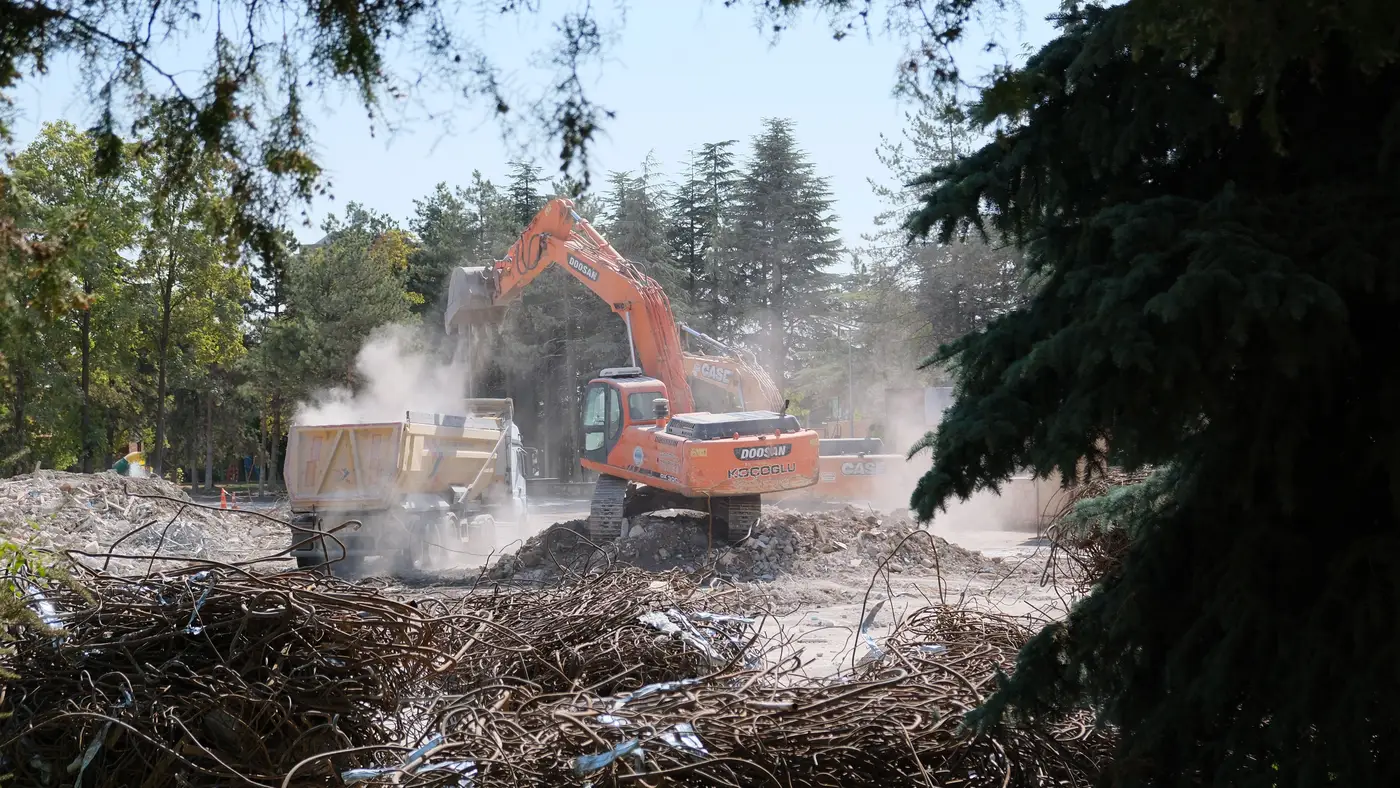
You've got a debris map from the day after the storm, a pile count, some acreage, and a county commissioner asking when the roads will be clear. The gap between "here's the debris" and "here's how many trucks I need" is where most clean-up contracts go sideways. Too few trucks and the contractor's crews stand around waiting on hauls. Too many and you're paying mobilization costs on idle equipment while FEMA reimbursement questions pile up right behind the debris.
The shortcut people reach for, acres of debris times some rule of thumb, breaks down fast because a windstorm doesn't scatter debris evenly. A line of snapped hardwoods along one arterial can outweigh three residential blocks of scattered shingles and fence panels. You need volume, not footprint.
Convert the map to cubic yards before you touch a truck count
Every debris removal contract runs on cubic yards, so that's the unit to work backward from. A debris field map, whether it came from a windshield survey or imagery pulled right after the storm, gives you pile locations and rough extent. From there:
- Estimate pile height and footprint for each cluster, or use the categories most contracts already sort by (vegetative, C&D, mixed).
- Apply standard yardage factors by debris type. A single downed hardwood runs differently than a collapsed carport.
- Add a contingency, typically 10-20%, for debris that gets called in after the initial pass. Storms always produce a second wave once residents start dragging material to the curb.
This gives you a total cubic yard figure for the event. Everything downstream, truck count, crew count, contract duration, comes off that number.
Matching trucks to haul cycle, not just capacity
Once you have total cubic yards, the next question is how many loads that becomes, and that depends on truck size and haul distance, not just the yardage. A standard dump truck runs 20-25 cubic yards per load. A trailer unit runs higher, but only pays off if your temporary debris storage and reduction site is far enough away to justify the bigger rig.
The number that actually drives fleet sizing is cycle time: load, haul to the TDSR site, dump, return. A five-minute neighborhood haul lets one truck run six or eight cycles a day. A forty-minute haul to the only approved site in the county cuts that to two or three. Run the math on cycle time before you commit to a truck count, because the same debris volume can need twice the fleet if your haul distance doubles.
A rough working formula: total cubic yards ÷ (truck capacity × cycles per day) ÷ days allotted = trucks needed. Pressure-test that against the contractor's stated hauling capacity before you sign anything, because self-reported fleet numbers run optimistic more often than not.
Crew count follows the push, not the pile count
Truck count gets you hauling capacity. Crew count is a separate line, and it tracks debris type more than debris volume. A load-and-go operation on cleared right-of-way needs fewer hands per cubic yard than a push operation clearing collapsed structures or hanging limbers that need chainsaw work before anything gets loaded.
A rule of thumb a lot of ops sections use: a loader crew of two to three can keep one or two trucks fed on straightforward curbside debris. Add a certified arborist or tree crew wherever the map shows structural damage or hangers, since that work has to happen before the loader even gets there. If your debris map flags a concentration of destroyed structures rather than scattered yard waste, budget for demolition and structural debris crews separately. That material doesn't move at curbside-debris speed, no matter how many trucks you throw at it.
Where the map runs short
A debris map built from imagery or a windshield pass tells you where the debris is and roughly how much of it there is. It doesn't tell you access conditions on every street, doesn't account for debris still trapped in standing structures, and doesn't replace a ground check on your TDSR site capacity. Treat the map as the starting number for your contract scope, then adjust once crews are moving and reporting daily tonnage against your estimate.
Debris Mapping builds that starting map from satellite imagery as soon as it's available after the storm, so your sizing math starts the same day the wind stops instead of after a multi-day windshield survey. If your contract deadline is measured in hours, that's the difference that matters.