November 9, 2026
How to write a debris removal scope of work for a county RFP
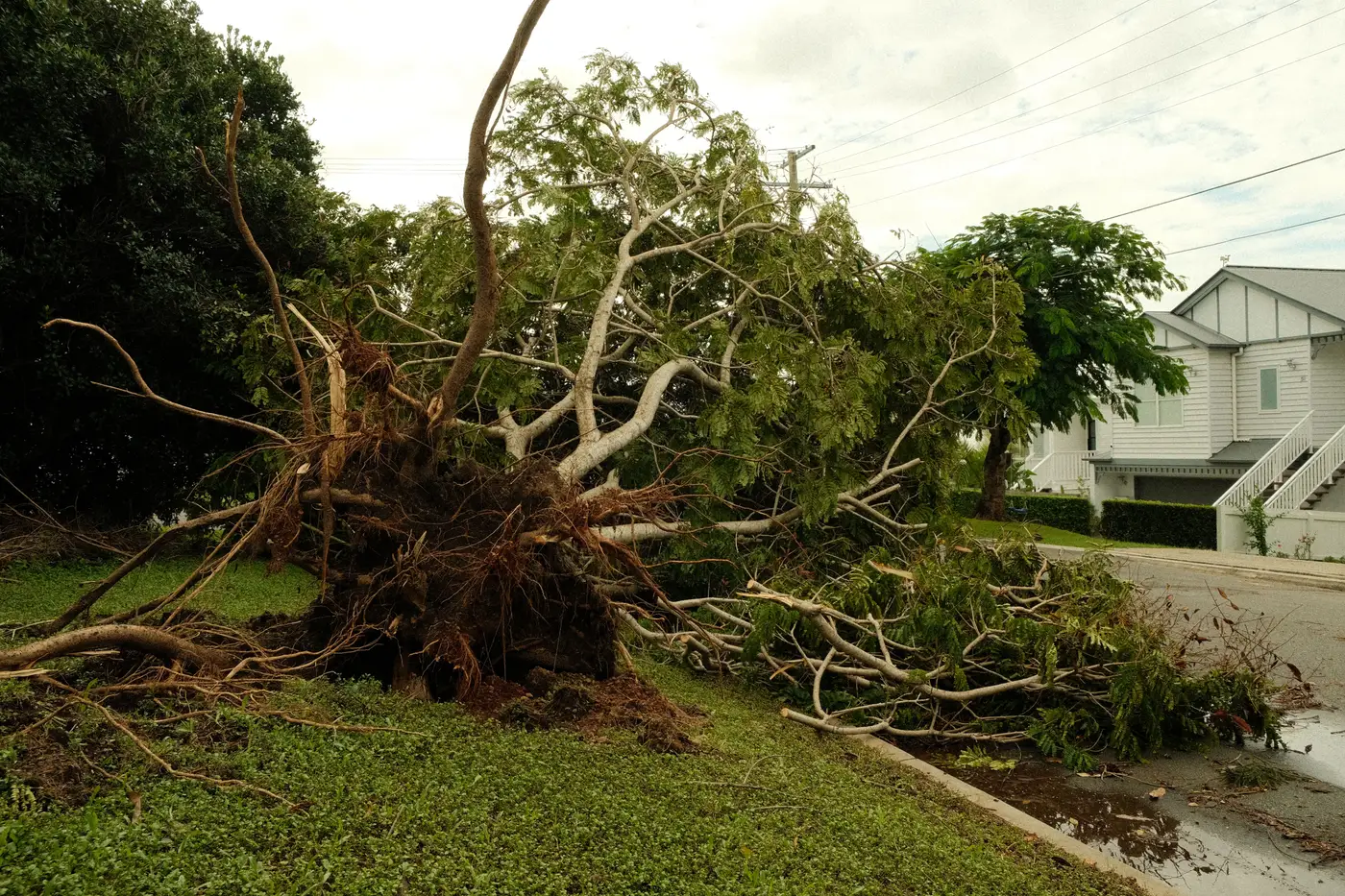
A debris removal scope of work is the part of the RFP that gets litigated later if you get it wrong. Everything else in a county solicitation (insurance requirements, bonding, references) is boilerplate your procurement office already has on file. The scope is the piece that has to match what's actually on the ground, and it's usually written before anyone has walked the ground.
Start with the debris categories, not the total yardage
Most scopes fail by leading with a single cubic-yard estimate and leaving the contractor to guess at mix. Split it out the way your monitoring firm will measure it at the scale house:
- Vegetative debris (leaf, limb, whole tree)
- Construction and demolition debris
- White goods and electronics
- Hazardous trees, stumps, and hangers/leaners
- Hazardous waste and household chemicals requiring separate handling
Each category has a different unit price, a different haul truck configuration, and a different TDSR site requirement. If your scope just says "estimated 400,000 cubic yards of debris," bidders will price to the category mix that's cheapest for them, not the mix you'll have on the ground, and you'll find out the gap exists at the first load call.
Right-of-way versus private property is the other split that has to be explicit. ROW collection is the default FEMA Public Assistance covers without extra paperwork. Private property debris removal needs its own section with the legal basis spelled out (ROE forms, hold-harmless language, demolition determinations) because reviewers will ask for it during closeout even if nobody asks during the response window.
Build the quantities from something newer than last year's survey
This is where most scopes go stale before the ink is dry. A logistics officer sizing a clean-up contract typically has two sources available: the county's pre-event planning estimate (often a per-household multiplier from the last storm with a comparable track) and a post-event windshield survey a field team runs the day or two after landfall. Both have the same problem. The pre-event number is a guess from a different storm. The windshield survey is a snapshot from a truck window, and by the time it's compiled into a memo, more limbs have come down, more roads have reopened, and the contractor is bidding against a map that's already a few days out of date.
That lag matters because the scope of work locks in unit prices and estimated quantities that the contractor uses to size their fleet and crew count. Bid low on volume and the awarded contractor shows up short-staffed for the pass count the job needs. Bid high and the county pays mobilization costs for equipment that sits idle. Either way, the number in Section 3 of your RFP should reflect what's on the ground now, not what a windshield survey caught from the road three days ago or what happened in the county two storms back.
Debris Mapping reads VHR imagery taken right after the storm passes and flags destroyed structures and debris fields across the county, which gives a logistics officer a current picture to size the response and the clean-up contract from, instead of waiting on a drive-around that's already behind events by the time it's written up.
Don't skip the measurement and verification section
Even a well-scoped RFP falls apart at invoicing if the monitoring method isn't defined up front. Spell out:
- Load ticket procedure at the point of collection and at the TDSR site
- Who certifies truck capacity (independent monitoring firm versus contractor self-certification)
- Reduction method at the TDSR site (grinding, burning, hauling to final disposal) and how reduced volume reconciles against collected volume
- Final disposal location and whether it's a permitted landfill or a waste-to-energy facility
FEMA's Public Assistance Program and Policy Guide is the reference document your monitoring section should track line by line. If your scope's measurement language doesn't match PAPPG conventions, your reimbursement claim is the thing that gets kicked back during audit, months after the contractor's already been paid.
A short checklist before you post the RFP
- Debris categories separated with distinct unit prices
- ROW and private property addressed as separate sections with their own legal basis
- Quantity estimates dated and sourced, with the source named in the document
- Haul routes and TDSR site locations identified or flagged as TBD with a deadline
- Monitoring and measurement procedure spelled out, not left to the awarded contractor's discretion
- Performance period and mobilization timeline dated to the storm itself, confirmed before the RFP posts
If the quantities section is still running on a survey from the last comparable storm or a truck-window count from day two, it's worth a look at how current the imagery behind it is before the solicitation goes out.