October 13, 2026
ROW debris vs. private property debris: what FEMA will reimburse
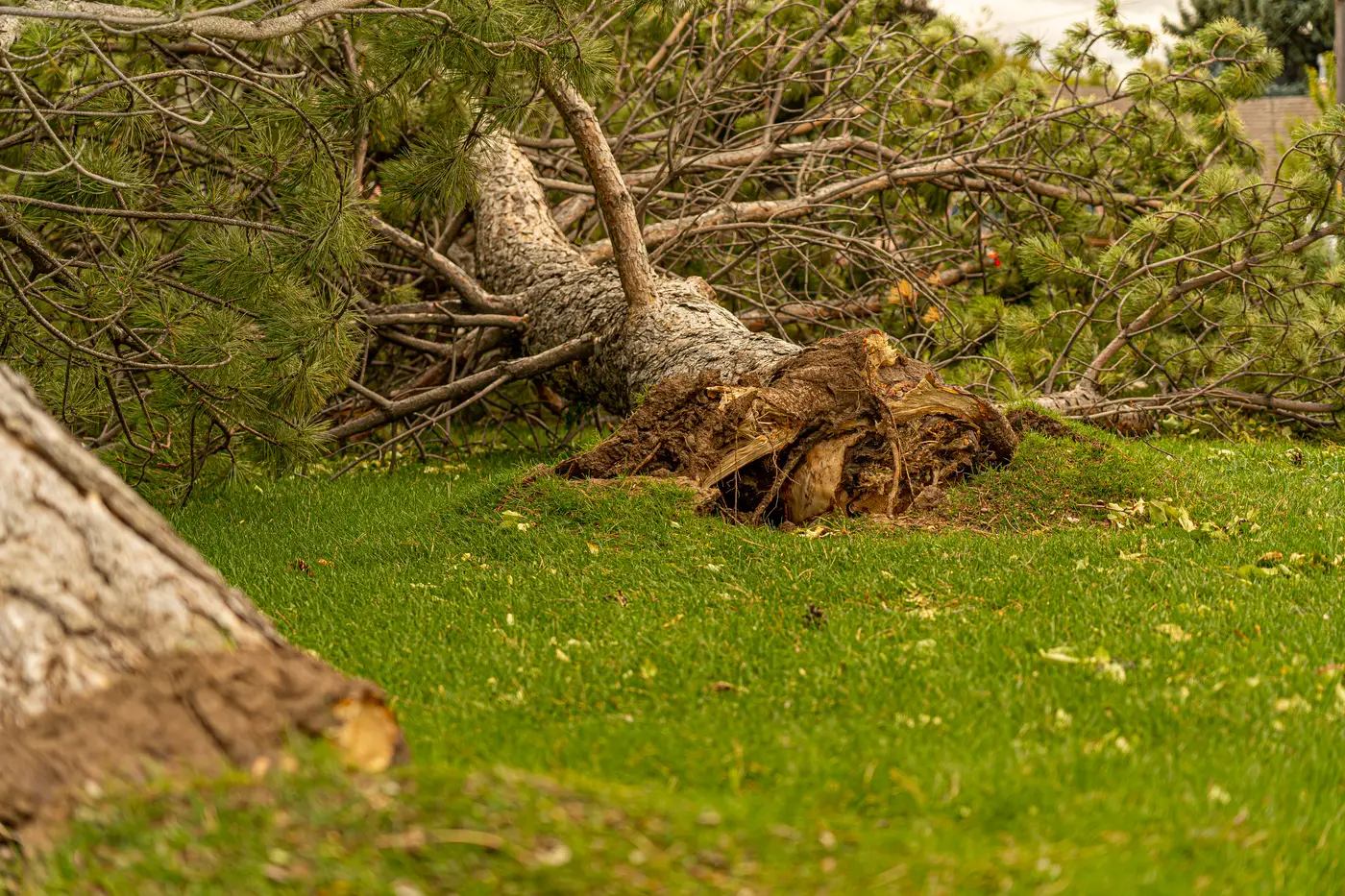
If you've sized a debris contract before, you already know the first fight isn't with the contractor. It's with the eligibility line between right-of-way debris and private property debris, because FEMA treats them like two different programs wearing one jacket.
The default: FEMA pays for right-of-way debris
Right-of-way (ROW) debris is the easy case. It's vegetative and structural debris that ends up on a public road, street, easement, or public right-of-way after the wind event, blocking passage or posing an immediate threat. Under Public Assistance Category A, ROW removal is eligible work when a local government has the legal authority to operate on that ROW and the debris is storm-generated: it landed there because of the event, within the applicable work period.
This is the debris your contractor pushes first, under the base contract, before any separate approval for private property work comes through. Most initial contract line items are written around ROW cubic yardage for exactly that reason.
Why private property debris is a different animal
Private property debris removal, PPDR in the acronym soup, is not the default. Under 44 CFR 206.224, debris on private property is normally the property owner's responsibility, and FEMA treats it as ineligible unless the applicant demonstrates it constitutes an immediate threat to life, public health, or safety that can't be handled any other way. That means the jurisdiction has to apply for a separate PPDR program, show that removing it is in the public interest, and get right-of-entry (ROE) and hold-harmless agreements signed by each property owner before a single loader touches that pile.
There's also the insurance question sitting under all of it. If a homeowner's policy covers debris removal, FEMA won't duplicate that payment, so applicants usually have to show the debris exceeds what insurance covers or that the owner is uninsured.
The practical effect for you: ROW and PPDR run as two separate eligibility pathways, with different approval timelines, different documentation requirements, and in some events, different cost-share percentages. A contract that doesn't separate them from day one is a contract that gets partially denied at closeout, usually months after the crews have gone home.
What separates a clean reimbursement from a denied one
Monitors and auditors are looking for the same three things on every load ticket, whether it's ROW or PPDR: where the debris came from, whether that location was eligible when it was picked up, and whether the volume claimed matches what was hauled. PPDR tickets carry extra weight. They need to tie back to a signed ROE for that specific parcel, and the pile itself needs to be documented as storm-generated debris on private land before removal, not estimated after the fact.
This is where sizing goes wrong most often. A windshield survey crew driving the route can flag "debris here" without being able to say, from the truck window, whether a given pile sits six feet onto private land or still on the easement. That distinction decides which bucket the load ticket belongs in, and getting it wrong on paper is how a jurisdiction ends up disputing a deobligation letter a year later.
A dated image taken right after the storm settles that question before the trucks roll, because the property line doesn't move and the debris field is sitting exactly where it landed. Running a parcel-level debris read against that imagery, like the overlay we lay out on the Debris Mapping landing page, gives a logistics officer two separate volume estimates, ROW and private property, before the first contract line item gets written.
Get the split right at contract award, and closeout is a paperwork exercise instead of an argument. Get it wrong, and the state auditor finds it for you, usually with a repayment demand attached.
If you're still staring at a windshield survey trying to guess which piles are reimbursable, it might be worth seeing what a post-storm debris map separates out for you.